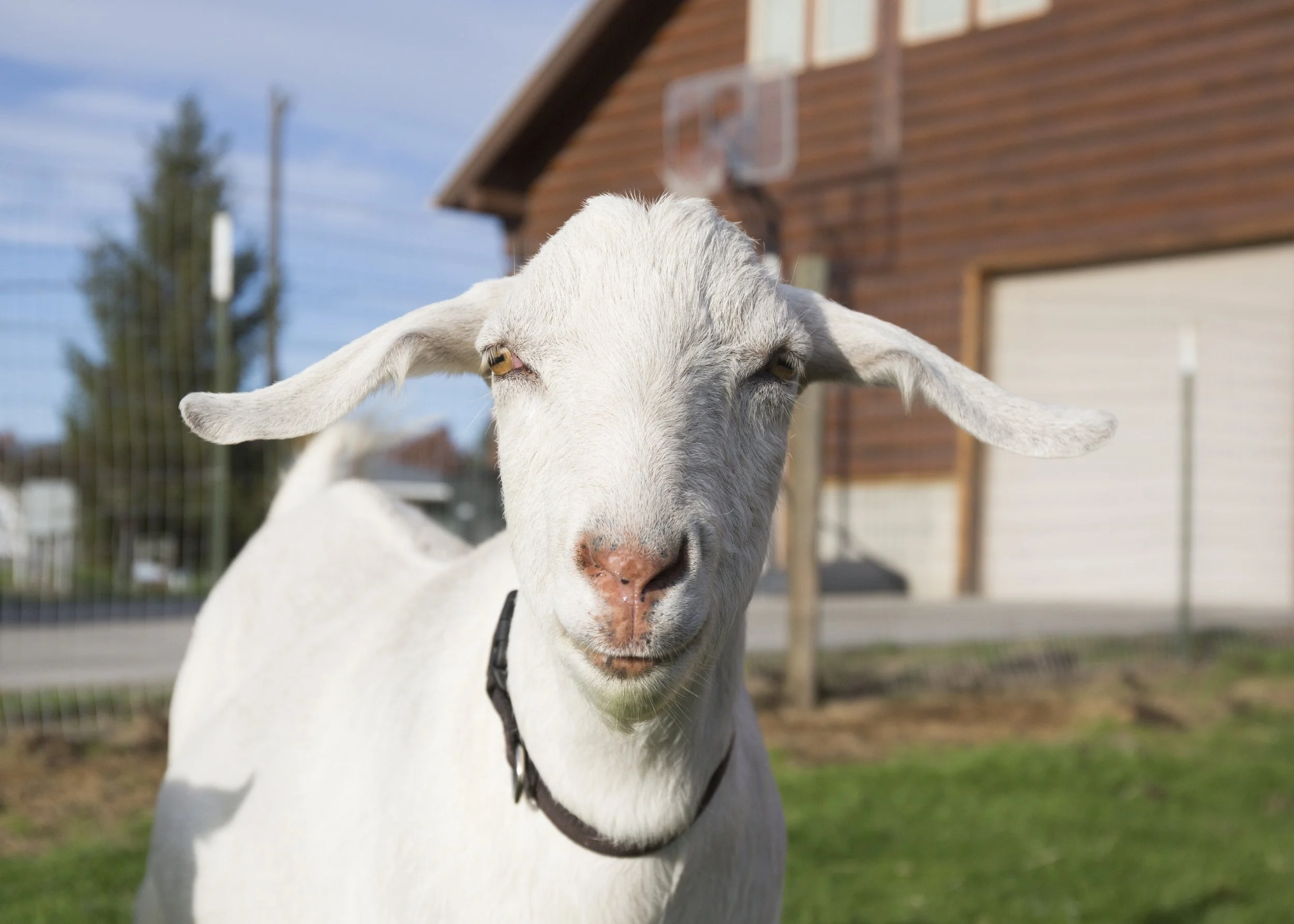
Goats 101
Starting your journey with goats begins with understanding their basic needs. This page is designed to offer you general information related to goat housing, nutrition, and care.
What are the first things you should know?
Goats are smart!
Goats possess remarkable intelligence. They have been known to exhibit problem-solving skills, long-term memory retention, and emotional awareness. Research has found that goats are adept at learning and exploration, navigating tricky enclosures, and interpreting and responding to human emotions.
Goats also adapt quickly to new environments, which is a trait rooted in their biological need to locate food, avoid predators, and navigate social dynamics within the herd.
An only goat is a lonely goat
Goats are highly social herd animals who require companionship from other goats to feel secure, reduce stress, and maintain good mental and physical health. A lonely goat will likely experience anxiety, stress, and health issues, severely limiting their quality and longevity of life.
Goats will only isolate themselves from a herd when they are sick or otherwise in pain. When you see a goat self-isolating, it can be a sign of serious mental or physical illness.
As a fundamental rule for goat caretaking, please also have at least two goats in your herd.
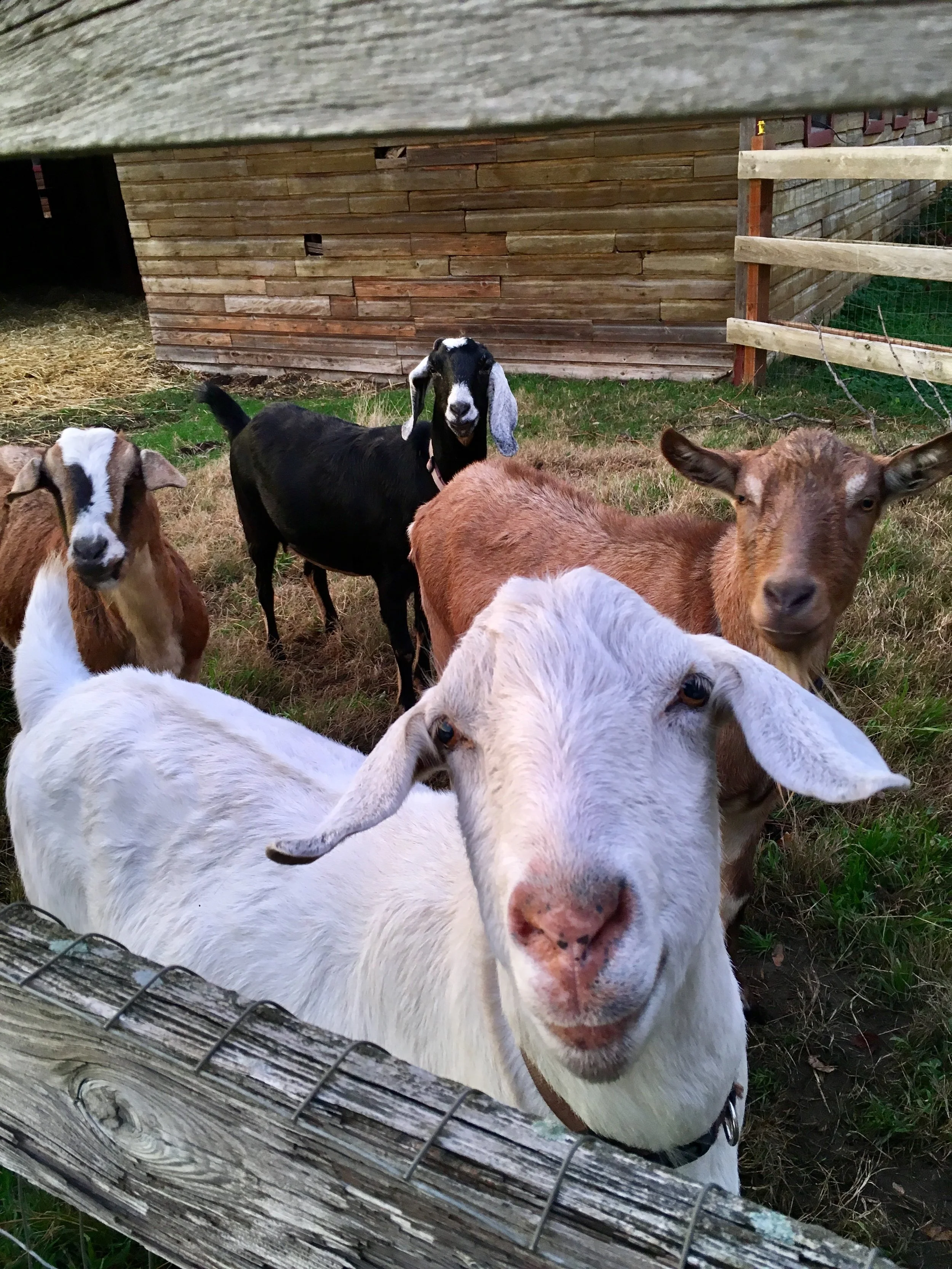
“If we recognize animals have emotions and can discriminate between people's emotions we'll start to understand that these are sentient beings worthy of our respect.”
Quote from Marianne Mason, Goat researcher and advocate
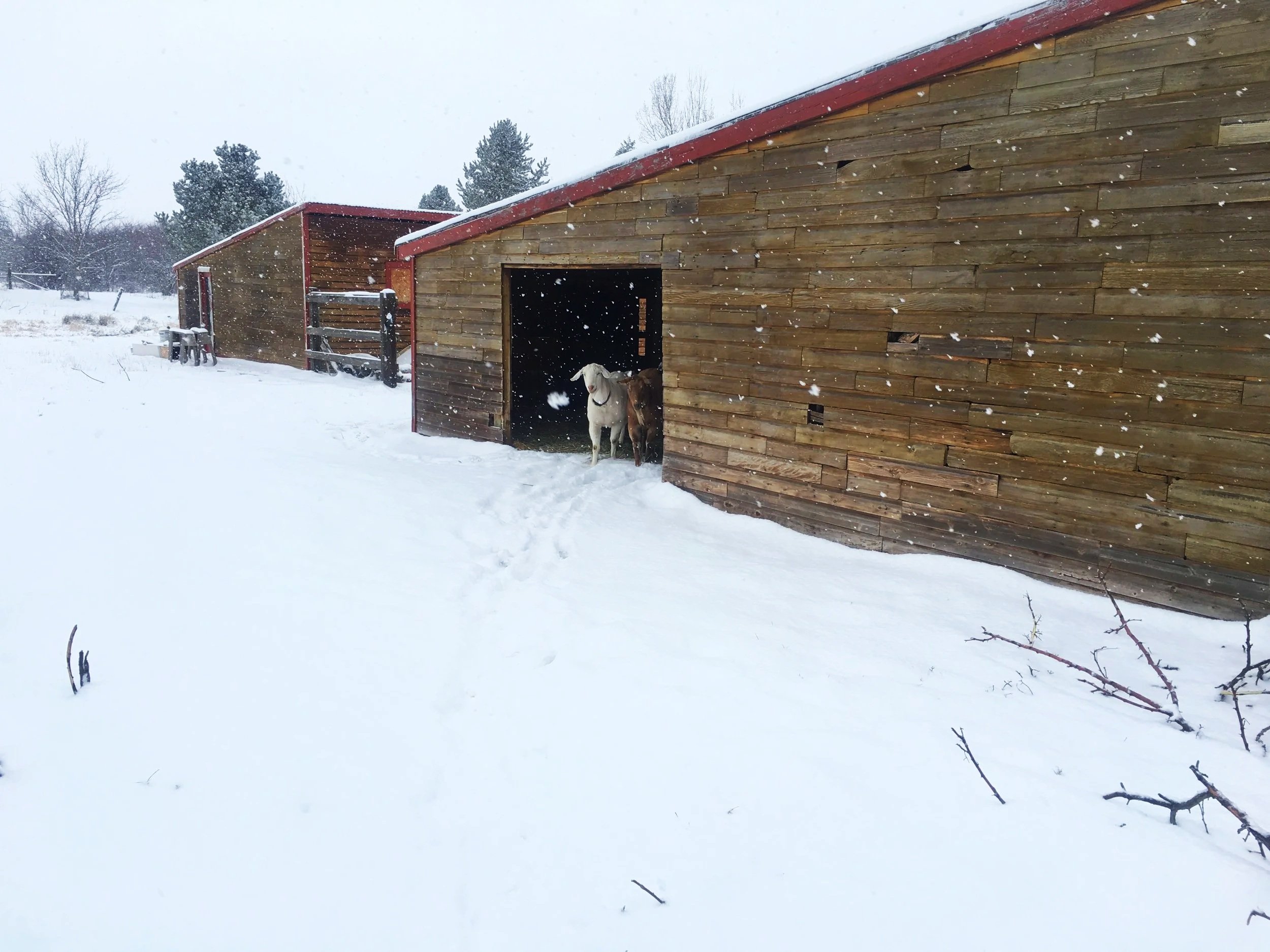
Housing and Shelter
What’s the next thing you should know?
Goats are escape artists!
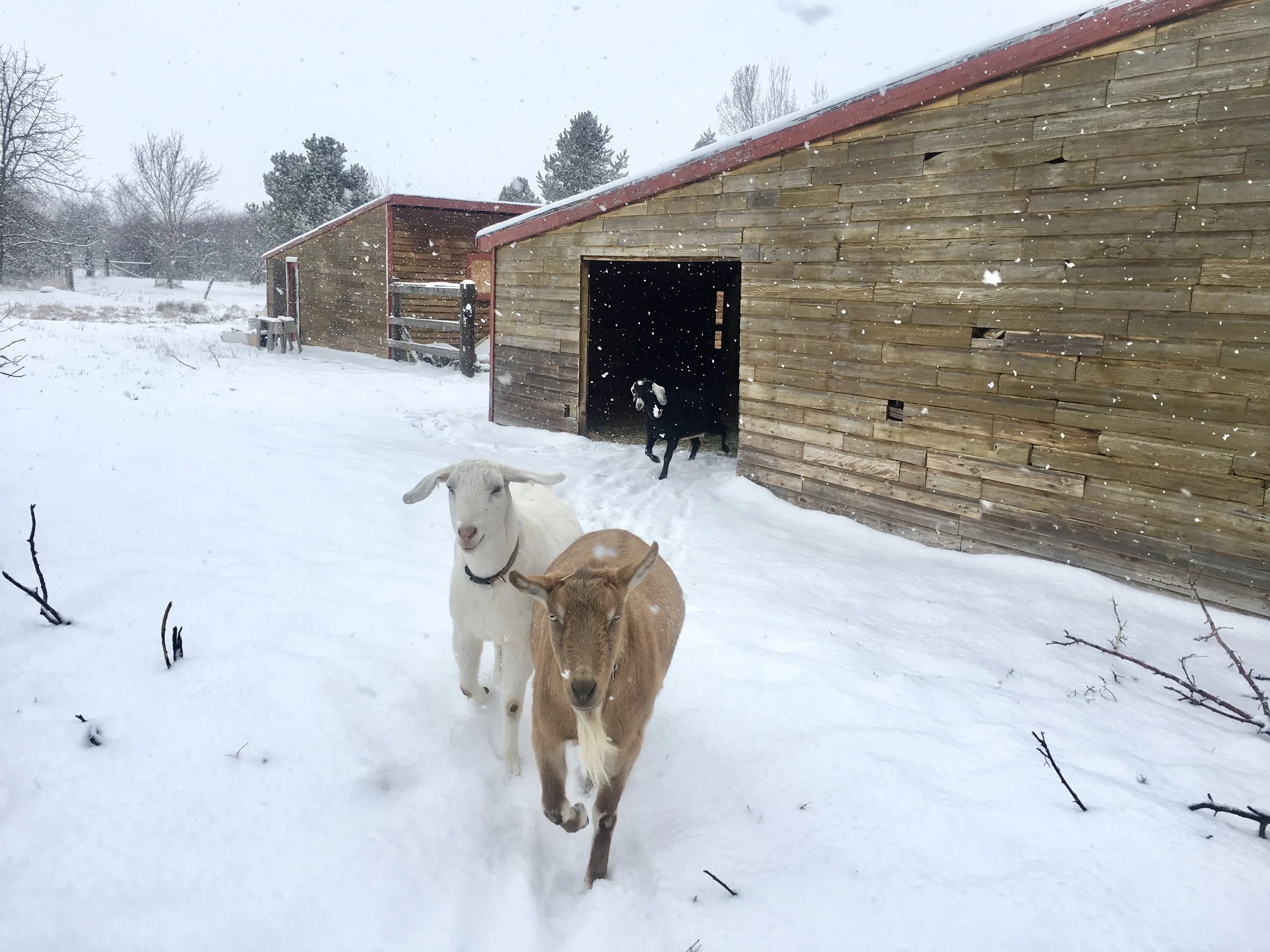
Goats should be supervised! Yes, even the adults. Goats are naturally curious and very talented escape artists. Without a secure enclosure, you can almost guarantee your curious goats will follow their nose to the nearest smell, taking their friends with them.
Do’s and Don’ts
Indoor Housing
Avoid Moisture
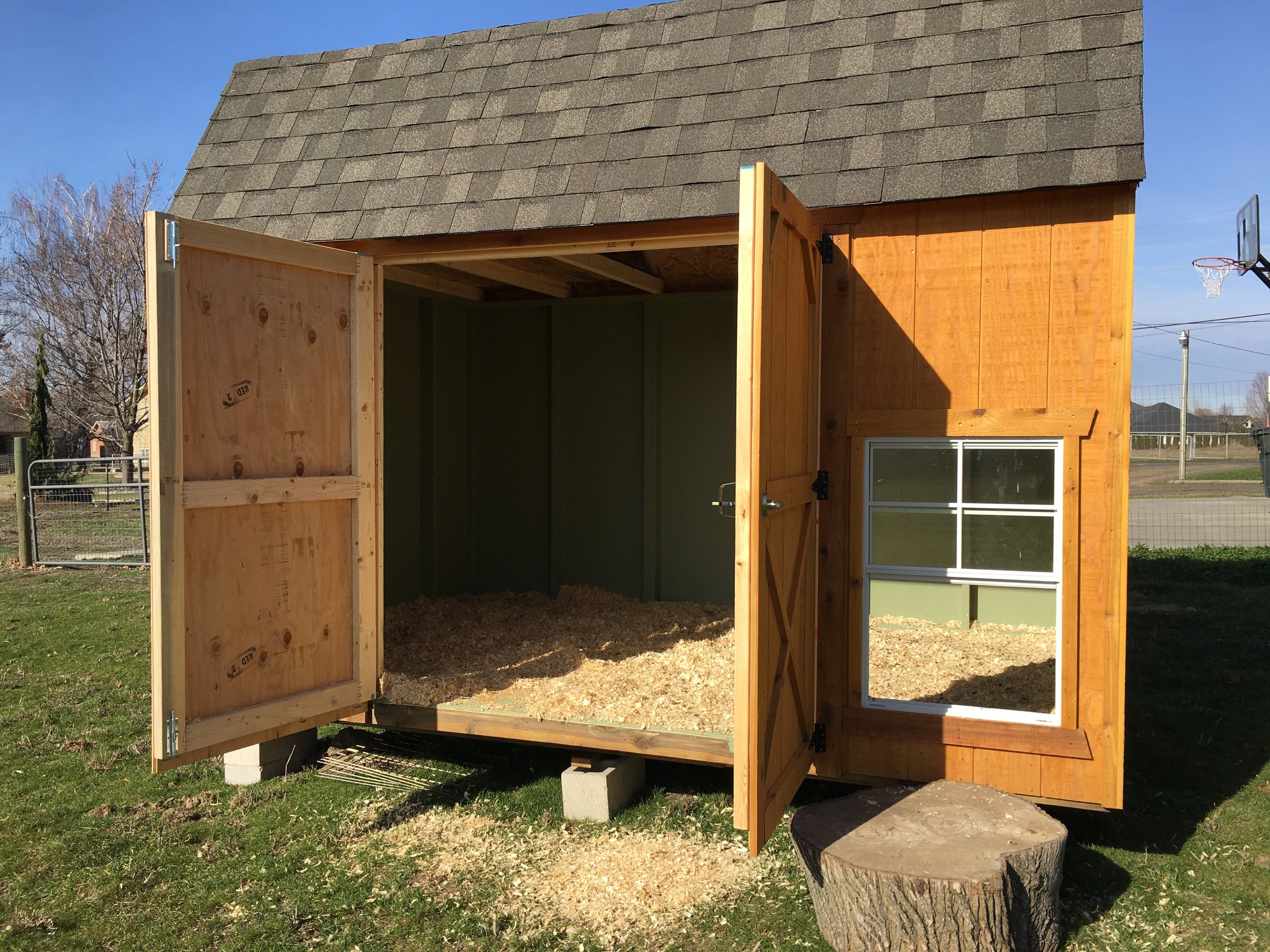
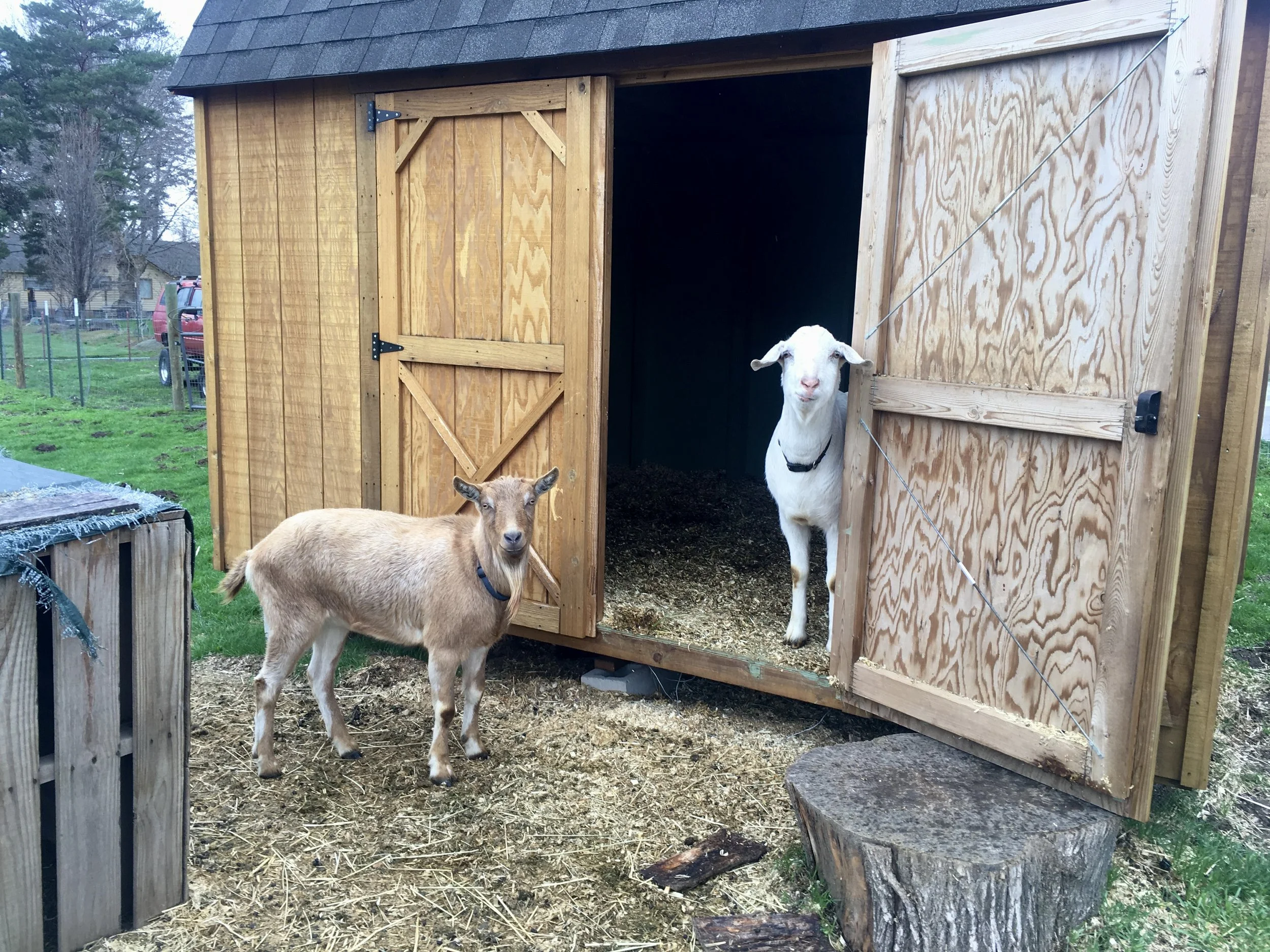
It’s essential to ensure adequate ventilation for any indoor (or partially indoor) goat shelter. The goal is to prevent moisture buildup and to keep the goats out of wet/damp weather conditions.
Always use an absorbent bedding that’s replaced regularly. Goat waste can build up quickly, especially when several goats are confined in a shared indoor space. Accumulated waste can attract unwelcome critters and can cause health concerns (even to humans) when particles are inhaled.
Learn more with the CDC.
Great bedding options include:
pine shavings
straw
cedar chips
sawdust
Learn more about healthy bedding options.
Give Them Space
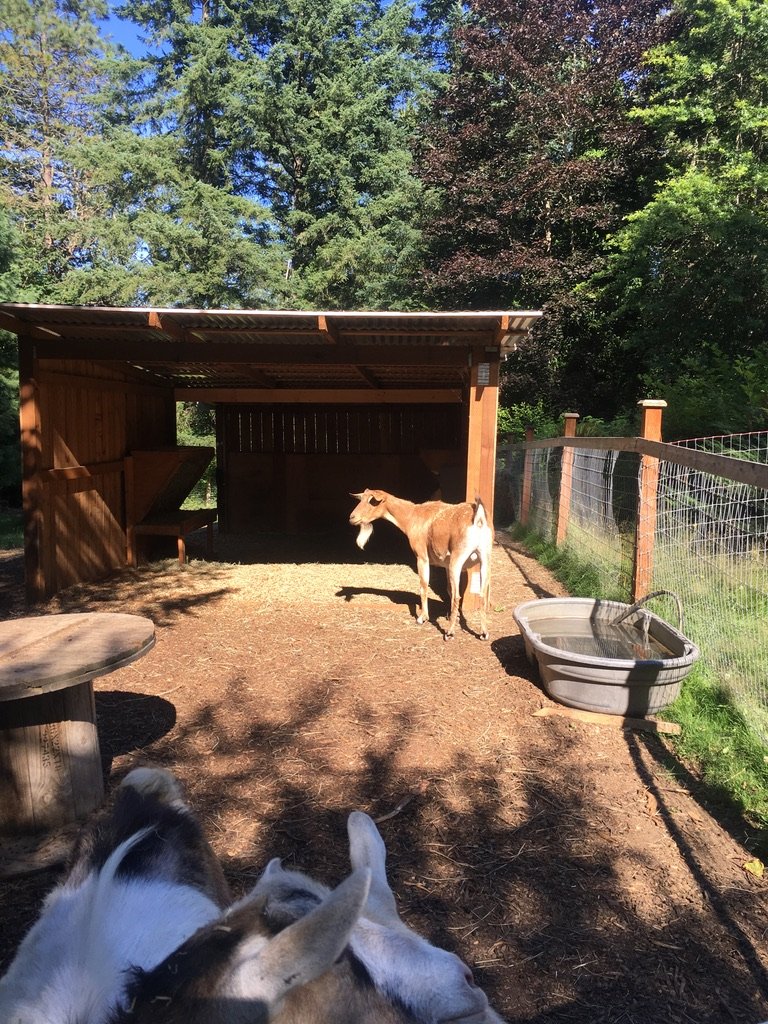
Indoor goat housing should allow every goat the space to rest, feed, and move around comfortably without overcrowding. The more space that can be provided, the better it will be for general health and well-being.
It’s advisable to include separate pens or enclosures for kids (baby goats!) and elderly goats who stay inside or otherwise require special care.
There may be specific spatial requirements or zoning regulations in your area. Generally, it’s advisable to provide at least 10 to 15 square feet of enclosure per one goat, with 20 to 25 feet being closer to ideal for larger breeds.
Outdoor Enclosures
Room to Roam
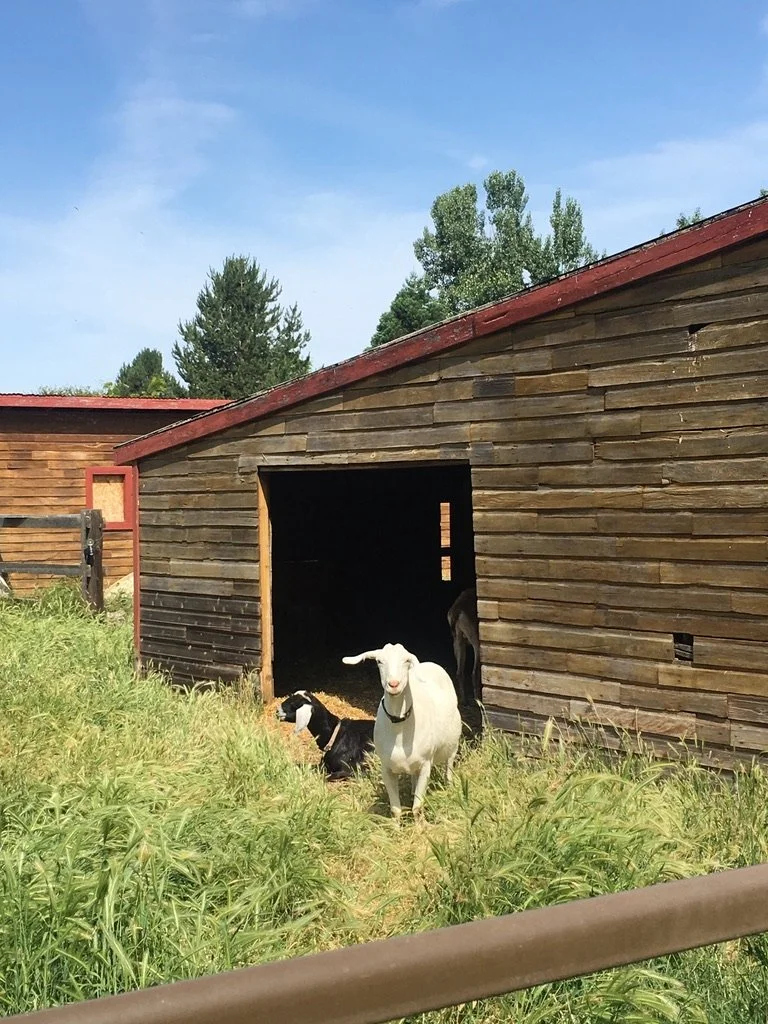
Goats must have regular access to outdoor enclosures. Although goats will sometimes avoid the rain and harsh weather conditions, most of their natural instinct is to roam and graze in outdoor pastures. The majority of their daily activity, exercise, and socializing should happen outside for the benefit of their physical and mental health.
Goats should always have direct access between their indoor and outdoor spaces that allows them to freely transition between the two. Goats will choose to transition to indoor shelters throughout the day depending on weather, health conditions, or social/herd dynamics.
The City of Portland mandates at least 10,000 square feet of lot space to house three or more miniature goats.
Learn more about Portland’s zoning requirements.
Fencing
Remember, goats are escape artists! Without adequate fencing or other enclosure safeguards, you can be assured that you’ll gain experience chasing and rounding up curious goats.
Generally, fencing should stand at least 4 to 5 feet high for full-sized goats, and at least 3 to 4 feet high for dwarf breeds and kids. However, taller options are usually safer for all types of goats. If there is a weakness in your fencing structure, your goats will tell you about it. The sizing and materials used for your fencing should depend on your property and your herd.
Special consideration should be given to fencing when you are housing goats who have their horns. Goats will stick their heads through any openings large enough, and when they have horns, it’s often hard to pull them out without assistance.
Special consideration should also be given to security against predators. Avoid using chicken wire (which is less sturdy than other materials) and avoid fencing with wide gaps.
The Portland City Codes require that “livestock” facilities must confine the animals; they must not be permitted to roam at large, and there must be adequate safeguards against the general public accessing the animals without authorization.
Food and Nutrition
What should you know about nutrition for goats?
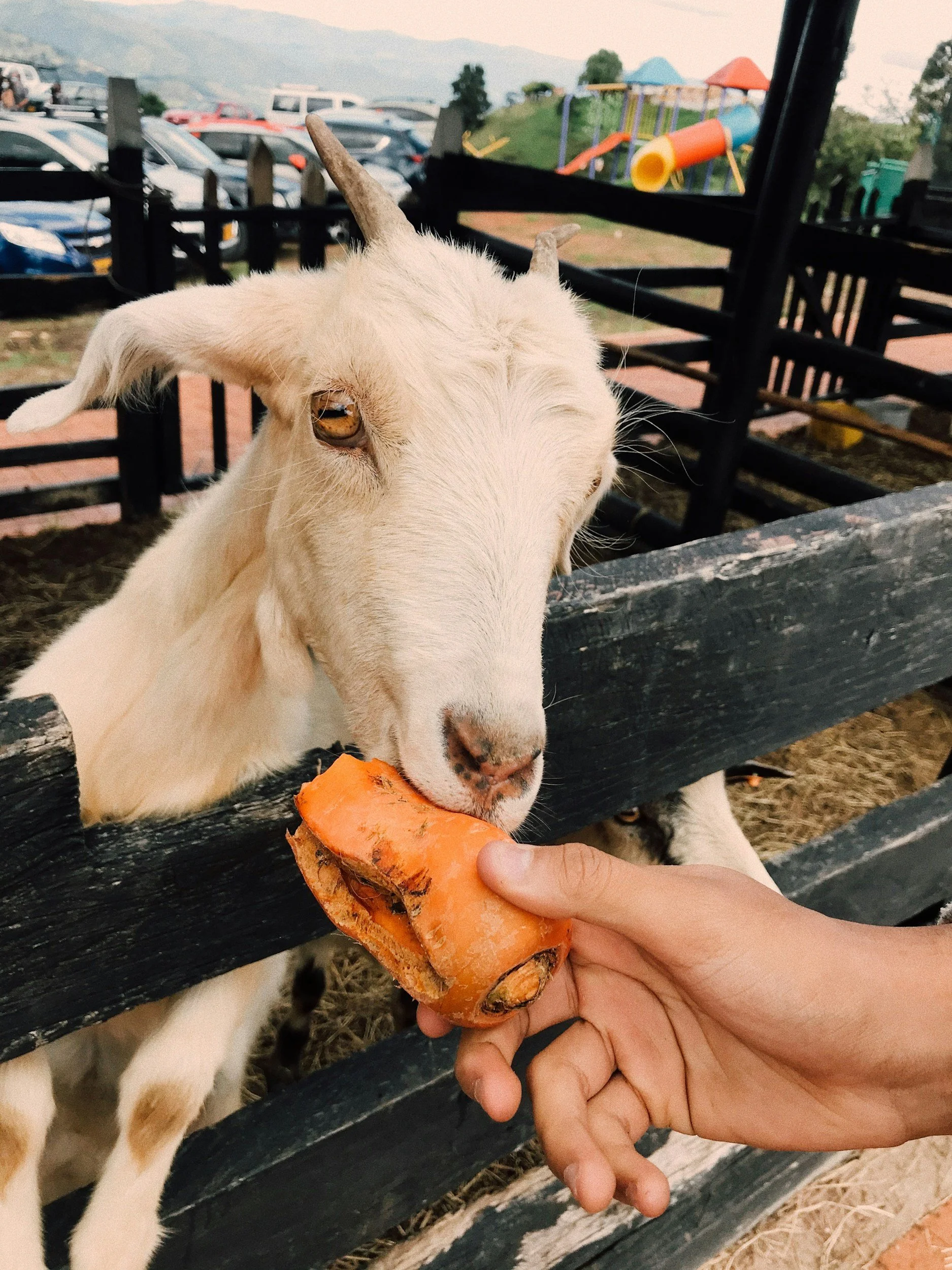
Goats basically eat vegan!
Raising healthy goats requires a well-balanced diet, just like humans! However, the requirements are fairly simple. Goats need access to fresh forage or high-quality hay, and fresh water at all times. These, plus a few other essential items, will help your goats be strong and happy, and stay resilient against illness.
Do’s
Grazing in The Grass
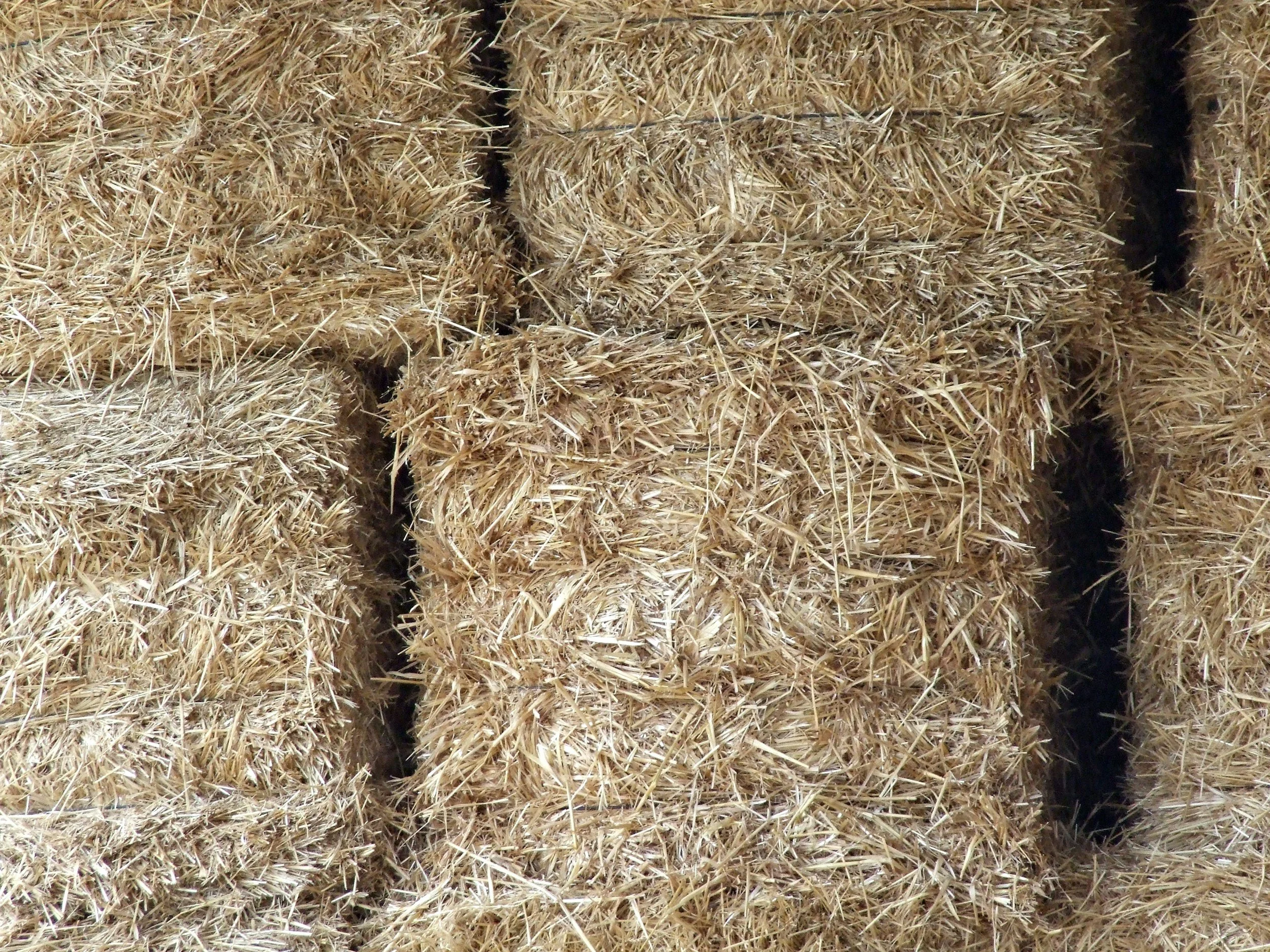
Pasture grazing is ideal for primary daily feed, supplemented with hay as a secondary nutritional option. In winter months or dry seasons, or when pasture forage is otherwise unavailable, hay should be the primary food option. High-quality hay and forage are meant to provide goats with protein, fiber, vitamins, and other essential nutrients.
According to some veterinarians, goats consume an average of 1.8%–2.0% of their body weight in dry food/forage per day. Of that amount, 7–9% should contain crude protein and 50% total digestible nutrients (TDN) for basic maintenance, with increased protein and energy needs for pregnant or lactating does, young kids, and yearlings.
Learn more about goat nutrition requirements.
Hay, Not All Hay is Made Equal
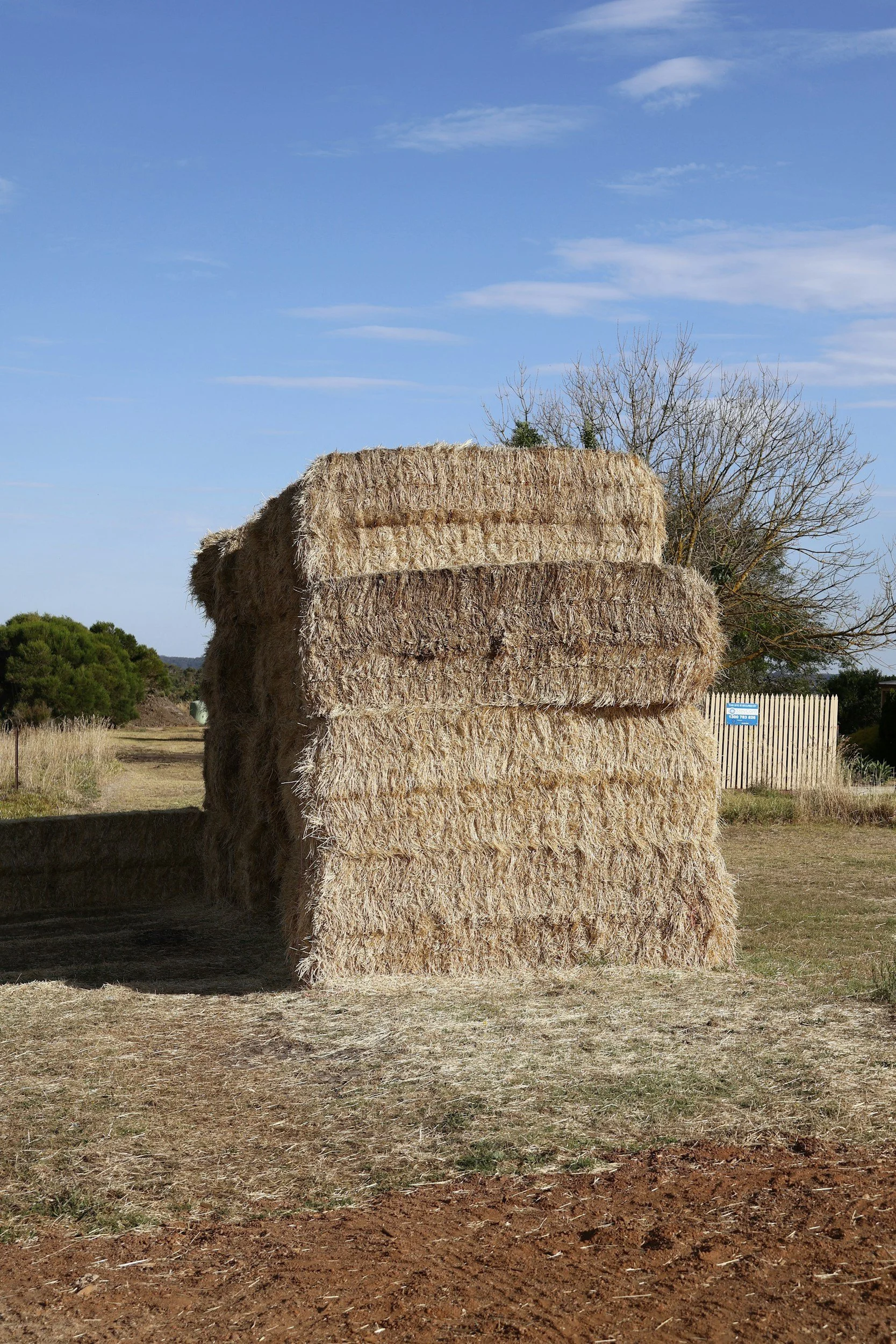
It’s recommended to feed goats good-quality orchard grass hay. Some veterinarians recommend a blend of grass and alfalfa hay, depending on the type and gender of goats in your herd.
Timothy hay is typically best for animals like horses, who require more fiber-rich diets than goats. While it likely wouldn’t be harmful to your goats, it might be an unnecessary expense.
Don’ts
No, Goats Can’t Eat Everything!
It’s a common misconception that goats can “eat everything”. In fact, there is a long list of things that are toxic to their health and that could even result in loss of life.
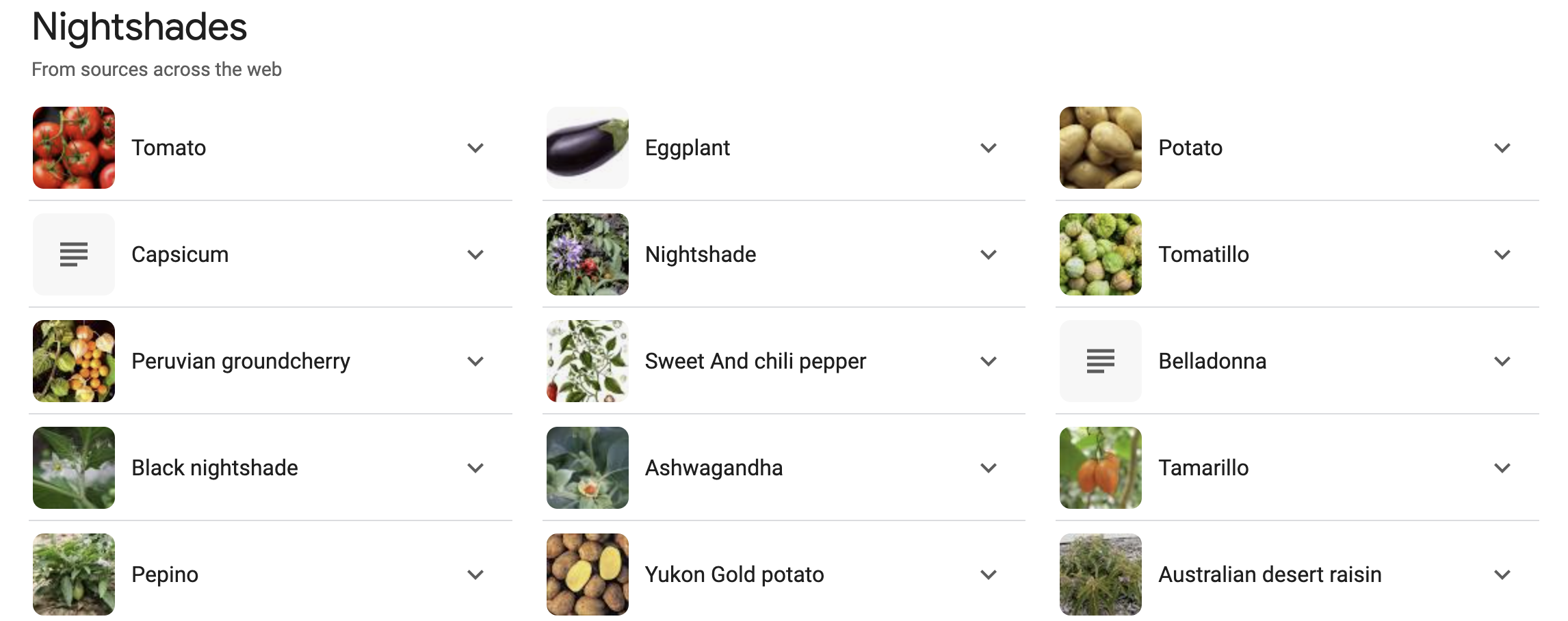
Some of the main foods that are toxic to goats are in the nightshade family. Some common nightshade vegetables include tomatoes, potatoes, and eggplants. However, there is also a long list of plants in that category.
For a comprehensive list, it’s best to check with a veterinarian who provides care for goats and other ruminants.
Learn more about plants and other things that are toxic to goats.
Hydration, Hydration, Hydration
Goats should always have access to fresh water. On average, goats drink 1 to 3 gallons of water per day. For nursing goats or those producing dairy, adequate hydration is essential for milk production and for maintaining healthy energy levels. For all goats, access to fresh water is required for overall health and digestion.
If you opt for water troughs, it’s best practice to clean them out regularly. It’s also important to be mindful that in colder months, outdoor water troughs/canteens can freeze solid, especially overnight, when goats might not be drinking from them as much. Water trough heaters might be a good investment to help with that.
Vitamins and Minerals
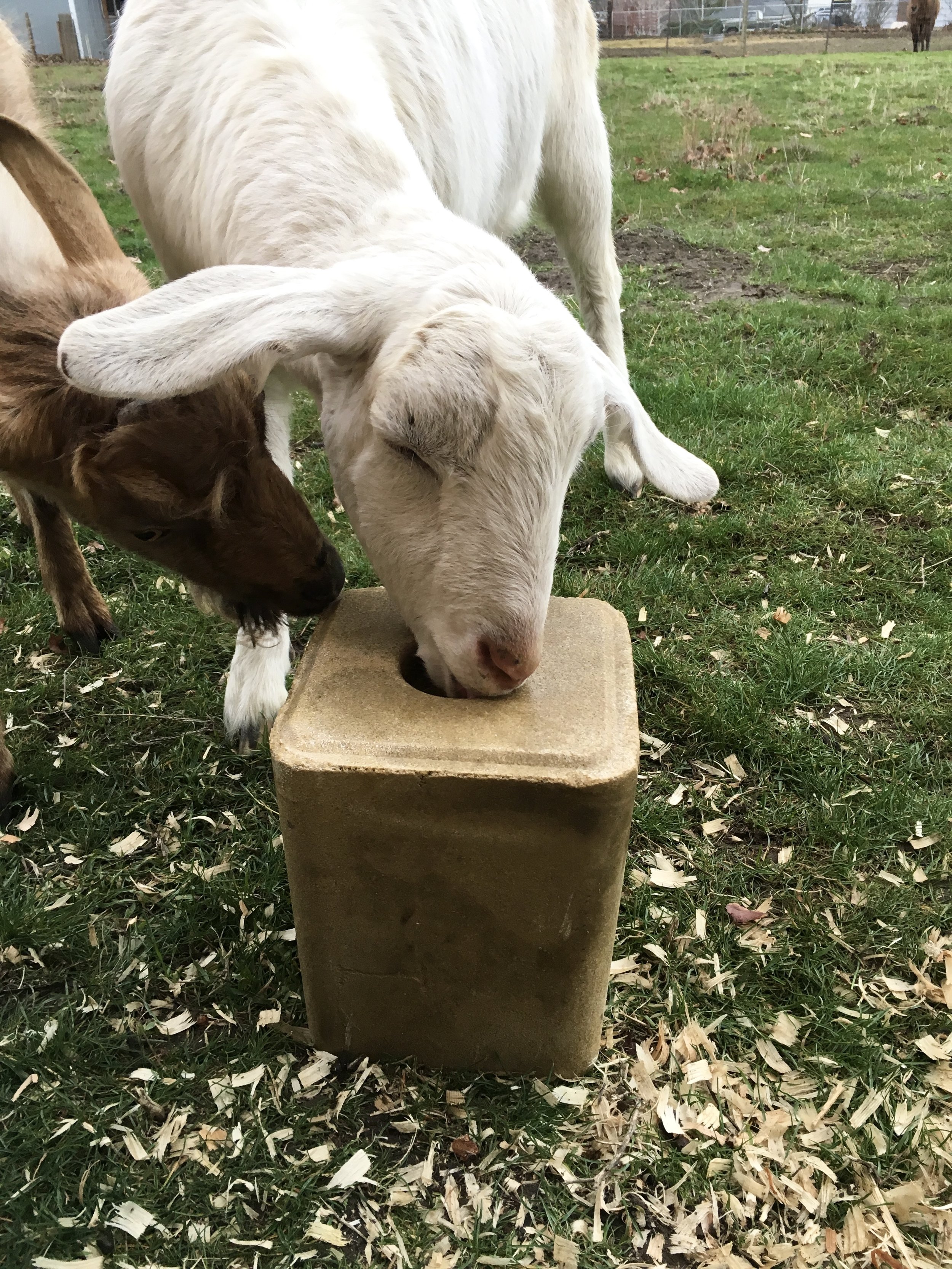
There are certain minerals and nutrients that are often unavailable from forage and hay, but that goats require to complete a balanced diet. Mineral blocks are an ideal way to supplement what may be missing from their forage-based diet.
Mineral blocks can usually be found in farm/animal feed stores and through many online sources. Be mindful to read the description of the mineral block you choose to ensure that it suits your herd. For example, many blocks contain copper, selenium, and zinc, however, copper is often toxic to sheep, and excess copper can be toxic to goats.
Learn more about mineral requirements for goats.